Crawl Space Water Removal in Knightsen
Crawl Space Water Removal in Knightsen from an estimated $0.50 / sq ft. The one job on this site that sometimes cannot succeed — and that is worth saying first. Free inspection and a written quote.
Crawl Space Water Removal in Knightsen: what actually fails
On a rural parcel the water under the house is as likely to be a leach field, an irrigation line or a stock trough as anything structural. Walking the parcel before pricing the pump-out is not thoroughness, it is the difference between fixing it and not.
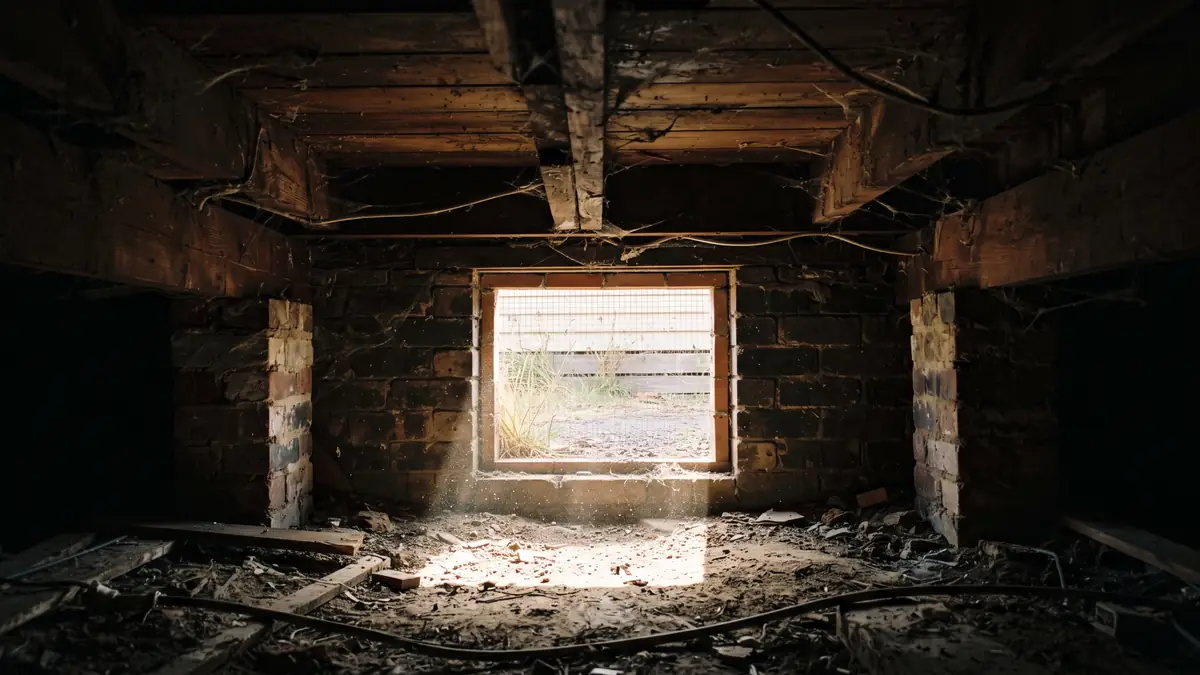
A crawl space is where water hides longest, and it raises a question no other part of the house does: whether the water is still coming in. On low-lying ground a crawl space can refill from below as fast as it is pumped.
- The parcel walked before the crawl space is priced
- Whether the source is a leach field or an irrigation line
- If there is a well, which breaker stops its pump
- On septic, whether the tank needs pumping first
Crawl space water removal cost in Knightsen
Pumping a crawl space falls in the same estimated range as any extraction. Whether drying it afterwards is worth paying for depends entirely on why the water is there, and that answer can change from one property to the next. On a rural parcel with its own well or septic system, the source can be outside the building, and the order of work decides the cost. Pumping a crawl space fed by a failing leach field means paying for it twice — once now and again after the field is fixed.
The question that comes before the price
Did water arrive from above, or from below? A burst line above is a job with an end. Groundwater rising into the space is not, and drying against it cannot get ahead of it.
Where the straight answer is drainage
A space that refills after being pumped needs a sump, a barrier or grading — none of which is drying, none of which we sell, and all of which cost less over five years than repeat dry-outs.
What raises the cost legitimately
Access and headroom. Equipment that has to be carried through an eighteen-inch hatch takes longer to place, and a space with no power nearby needs a run made to it first.
Homes in Knightsen, and what that means for crawl space water removal
If the property runs on its own well and septic system, a wet crawl space is as likely to come from outside the house — a leach field or an irrigation line — as from anything inside it.
On a rural parcel the source is frequently outside the building, and no amount of drying inside addresses it.
The 24-to-48-hour window, and what it is actually about
It is not about how long there was a puddle. It is about how long the material stayed wet.
The often-quoted window is the interval in which clean water is still clean and porous material can usually still be saved. After it, the same carpet and the same pad are a removal rather than a dry-out, which is a different and larger line on the bill. The part people get wrong is what the clock is measuring: it starts when the material got wet, not when somebody noticed. Ground that drains fast can take the standing water away and leave the wood in the floor exactly as wet as it was, and that is the case where a homeowner reasonably concludes the problem solved itself.
- Told on the phone whether this genuinely needs tonight
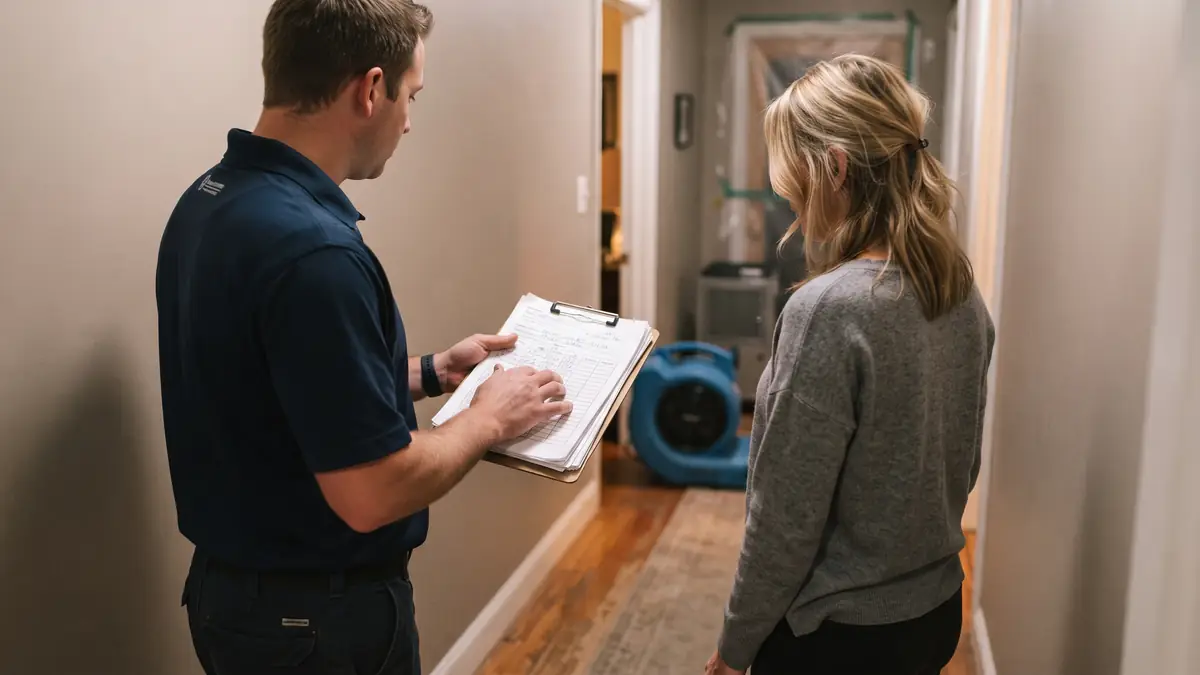
- The free first-hour steps explained before a visit is booked
- Estimated rates per square foot and per day, not a single total
- Equipment out when the readings say so
Other water extraction work in Knightsen
Crawl Space Water Removal in neighboring cities
Before you book crawl space water removal
What people ask about this work, answered plainly.
Can you just pump it out?
Yes, and on some properties that is genuinely all it needs. But if it refills, pumping is a service you will be buying repeatedly, and we would rather tell you that on the first visit than on the fourth. Where the water arrives from below, the answer is drainage rather than us.
How do I know if it is groundwater?
Two signs, neither of which needs equipment. It comes back after being pumped, with no plumbing fault upstream. And it is worst after sustained rain or when the nearby water level is high, rather than after anything happening inside the house.
Can my carpet be saved?
Often yes, if the water was clean and it has been less than a day or two — and the decision is about the pad underneath rather than the carpet. Clean supply water over a pad that can be lifted and dried, or replaced on its own, is the routine case. Contaminated water or groundwater is not: at any age, the porous material comes out. The failure worth knowing about is a dry carpet over a wet pad. It passes a hand test, it passes a look, and it returns as a smell about two weeks later. A meter reading taken through the carpet into the pad is what settles it.
How many days should the equipment be in my house?
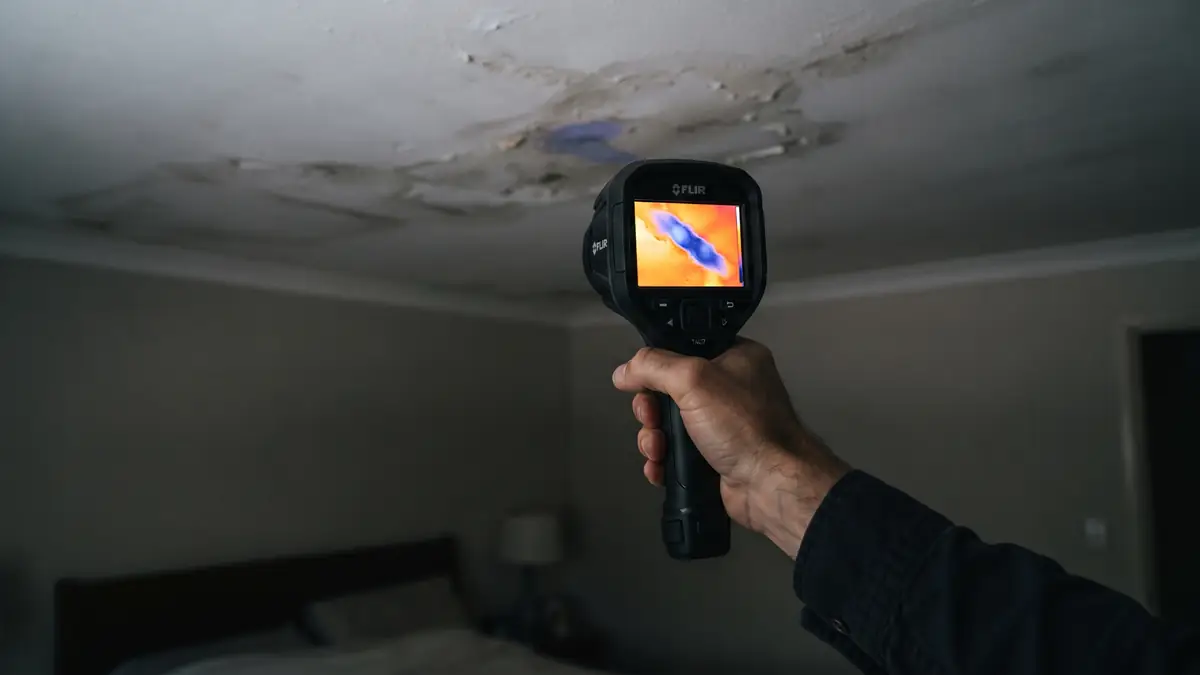
Typically three to five for a straightforward job, and longer for hardwood, plaster or anything cavity-built — but the number of days is not something to agree in advance. It is something the readings decide. The way to follow it is daily written moisture readings for as long as the machines are in the building: if the numbers have stopped falling and the target is met, the equipment comes out. Ask for them on day one, not at the end.
What should I do in the first hour, before anyone arrives?
Four things, all free, and together they do more for the final bill than anything you can buy. STOP THE SOURCE — the main shutoff, or on a rural parcel the breaker feeding the well pump, which stops a supply leak faster than any valve you have to find in the dark. GET WATER OFF HARD FLOORS toward a drain or outside, because every square foot you keep dry is a square foot nobody measures. MOVE AIR: open interior doors, run fans you already own. And LIFT WHAT YOU CAN — furniture legs off wet carpet, boxes off the floor, rugs off hardwood. None of it requires a decision you might regret.
Need crawl space water removal in Knightsen?
Estimated per-square-foot and per-day rates before any total. Told when drainage, not drying, is the actual answer.