Carpet Water Extraction in Antioch
Carpet Water Extraction in Antioch from an estimated $0.50 / sq ft. The decision that actually matters is the pad underneath, and it is usually made wrong. Free inspection and a written quote.
Carpet Water Extraction in Antioch: what actually fails
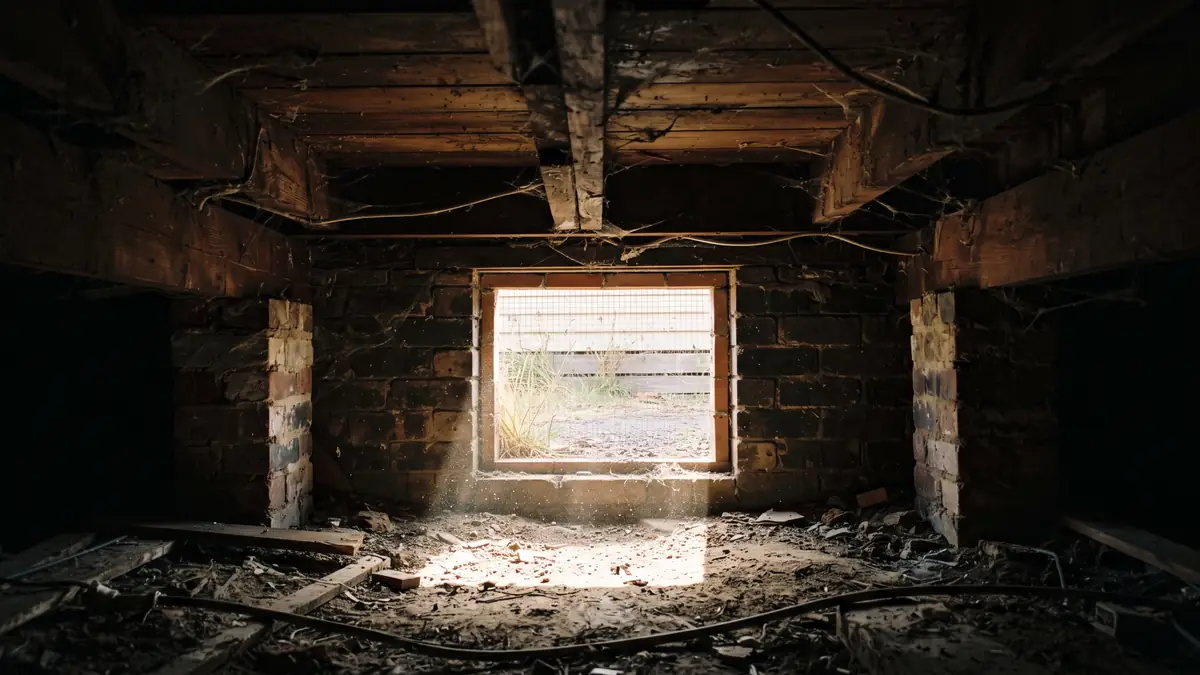
Over a raised floor, carpet and pad dry from beneath if air can be moved into the space under the house, and a good deal of flooring that would be thrown away on a slab can be kept. It is worth asking for that before agreeing to a replacement.
Carpet itself dries. The pad underneath it frequently does not, and on a slab the water spreads under that pad a long way past the visible wet patch. Extracting the carpet and leaving the pad is the most common failure in this work, and it shows up two weeks later as a smell.
- The space under the floor checked before the room above
- Whether the wet material is on a different level
- Vapor barrier condition, because it changes the outcome
- Air moved under the floor rather than another machine upstairs
Carpet water extraction cost in Antioch
Extraction is the same estimated per-square-foot range as any other floor. The decision that actually costs money is the pad underneath, and it turns on two things: what the water was, and how long it has been there. In a house with a raised floor, the cost sits in the part of the building nobody looks at. Air moved into the space under the floor does more than another machine in the room above, so a well-run job there often uses fewer units for longer rather than more for less.
When the carpet can be saved
Clean supply water, caught within roughly 24 to 48 hours, over a pad that can be lifted and dried or replaced on its own. That is the common case and it is worth asking for explicitly.
When it cannot
Contaminated water or groundwater, at any age. Porous material that has held it comes out, and drying it in place does not make it safe.
The failure that shows up two weeks later
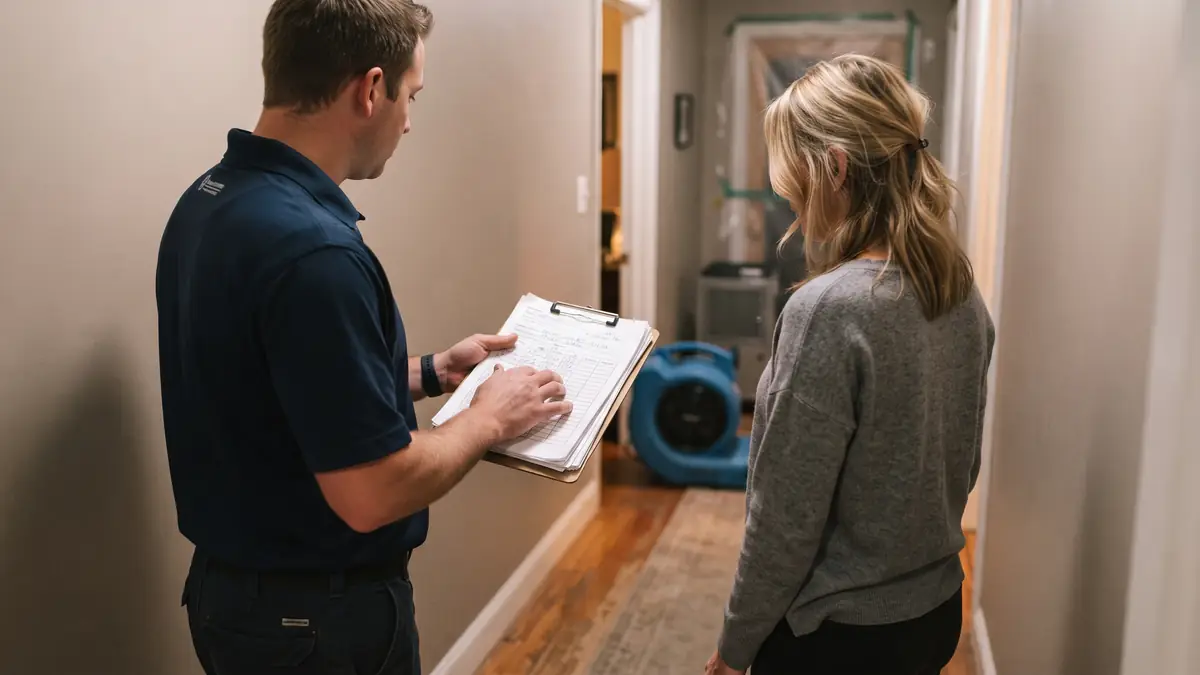
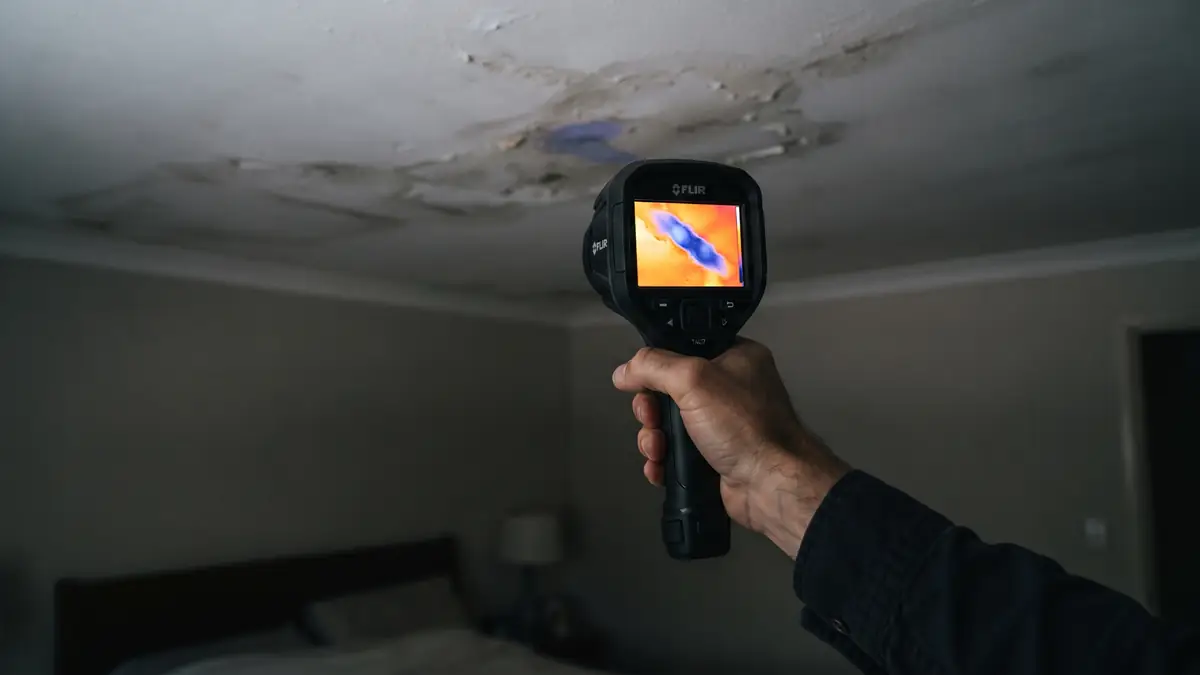
A dry carpet over a wet pad. It passes a hand test, it passes a look, and it returns as a smell. A meter reading taken THROUGH the carpet into the pad is what settles it.
Homes in Antioch, and what that means for carpet water extraction
Over a raised floor, water finds the lowest point in the building rather than spreading across a slab, and the lowest point is often somewhere nobody looks for a week.
In a house with a raised floor, the visible damage and the wet material are often on different levels.
Five questions worth asking, including of us
Every one of them is about a unit rather than a total, because a unit is something you can follow.
What moisture target are you drying to, and where is it measured?
A target with no location is not a target. On a slab the readings should fall steadily; in a building over high groundwater they may never reach a textbook number, and a sensible target is one the building can actually hold.
Will you tell me if drying is the wrong answer?
Sometimes it genuinely is. Where water is still arriving, drainage comes before drying, and a straight answer to this question is worth more than any total.
Do I get the readings?
Daily, in writing, for as long as the equipment is in the building. They show what the days of drying actually did, and they cost nothing to produce.
Other water extraction work in Antioch
Carpet Water Extraction in neighboring cities
Before you book carpet water extraction
What people ask about this work, answered plainly.
Will you lift the carpet or dry it in place?
It depends on the pad, and you should be told which before it starts. Drying in place over a pad that stays wet is the most common failure in this work. If the pad is going to be saved rather than replaced, ask how it is being measured through the carpet.
It smells a couple of weeks later. What happened?
Almost always a dry carpet over a pad that never dried. It is not a mystery and it is not bad luck — it is a measurement that was not taken. At that point the pad comes out, which is what it would have cost at the start plus the two weeks.
Is the 24 to 48 hour window real, and what does it mean?
It is real, and it measures something slightly different from what most people assume. The window is how long clean water stays clean and how long porous material — carpet, pad, drywall, insulation — can usually still be saved rather than removed. The clock starts when the material got wet, not when you found it. That distinction matters most where ground drains quickly, because the standing water can disappear while the structure stays exactly as wet as it was, which reads as a problem solving itself.
My crawl space keeps filling. Why won't drying fix it?
Because drying removes water, and your problem is water arriving. In a space that refills from below, every day of equipment runs against groundwater that is still coming in, and the readings never settle. The fix is drainage: a sump, a sealed vapor barrier, grading away from the building. None of that is drying, and we would rather say so than sell you days.
How many days should the equipment be in my house?
Typically three to five for a straightforward job, and longer for hardwood, plaster or anything cavity-built — but the number of days is not something to agree in advance. It is something the readings decide. The way to follow it is daily written moisture readings for as long as the machines are in the building: if the numbers have stopped falling and the target is met, the equipment comes out. Ask for them on day one, not at the end.
Need carpet water extraction in Antioch?
Estimated per-square-foot and per-day rates before any total. Told when drainage, not drying, is the actual answer.